
As a WordPress developer and SEO specialist, I’ve helped countless clients transform their online presence through effective theme selection and optimization. One question I’m frequently asked at Jackober is: “What free WordPress theme should I use for my blog?”
It’s a critical question. Your theme isn’t just about aesthetics—it impacts your site’s performance, user experience, SEO potential, and ultimately, your success as a blogger.
In this comprehensive guide, I’ll walk you through everything you need to know about free WordPress themes for blogs, sharing insights from my years of professional experience in the WordPress ecosystem.
Why Theme Selection Matters
Your WordPress theme is the foundation of your blog’s design and functionality. It determines how your content is displayed, how users navigate your site, and even how search engines interpret your pages.
A well-designed theme can:
- Enhance user engagement and reduce bounce rates
- Improve page loading speeds
- Make your content more accessible
- Strengthen your brand identity
- Boost your search engine rankings
Conversely, a poorly optimized theme can have the opposite effect, potentially undermining all your content creation efforts.
Benefits of Free WordPress Themes
Cost-Effective Entry Point
For new bloggers or those on tight budgets, free themes provide an accessible entry point into the WordPress ecosystem. You can launch your blog without financial investment and upgrade later when you have more resources.
Official Repository Vetting
Themes in the official WordPress repository undergo a review process that checks for coding standards, security issues, and functionality. This provides a basic level of quality assurance that you won’t find with random themes from unverified sources.
Simplicity and Focus
Many free themes are designed with simplicity in mind, focusing on content presentation without overwhelming users with excessive features. This can be advantageous for blogs where content is the primary focus.
Community Support
Popular free themes often have active user communities and documentation, making it easier to find solutions to common issues without paying for premium support.
Try Before You Buy
Free themes allow you to experiment with different designs and features before committing to a premium option, helping you better understand your specific needs.
Limitations of Free Themes
While free themes offer many benefits, it’s important to understand their limitations:
Limited Customization Options
Free themes typically offer fewer customization options compared to premium alternatives. You may face restrictions in layout control, color schemes, and typography options.
Minimal Support
Support for free themes is often limited to community forums or basic documentation. You won’t receive the dedicated support that comes with premium themes.
Less Frequent Updates
Free themes may receive updates less frequently than premium options, potentially leaving your site vulnerable to security issues or compatibility problems with the latest WordPress version.
Generic Design
Many blogs using free themes can look similar, making it challenging to create a distinctive brand identity without custom CSS modifications.
Feature Limitations
Advanced features like e-commerce integration, membership capabilities, or specialized content layouts might require premium themes or additional plugins.
Essential Features to Look For in 2025
When evaluating free WordPress themes for your blog in 2025, consider these essential features:
Responsive Design and Mobile Optimization
In today’s mobile-dominant world, your theme must perform flawlessly across all devices. With Google’s continued emphasis on mobile-first indexing, responsive design isn’t just a user experience consideration—it’s a fundamental SEO requirement. The best themes in 2025 will offer advanced responsive capabilities that adapt intelligently to different screen sizes and orientations.
Block Editor Compatibility
As the WordPress block editor (Gutenberg) continues to evolve, full compatibility is non-negotiable. Top free themes in 2025 will offer specialized block patterns, custom block styles, and seamless integration with the latest block editor features. This ensures you can create visually engaging content without technical limitations.
Performance Optimization
With Core Web Vitals firmly established as ranking factors, performance-optimized themes are essential. Look for themes that emphasize minimal CSS/JS, efficient loading patterns, and optimized image handling. In 2025, the best free themes will feature built-in lazy loading, CSS optimization, and responsive image handling without requiring additional plugins.
Accessibility Compliance
WCAG compliance is increasingly important both legally and for SEO. Free themes in 2025 should include proper heading structures, keyboard navigation support, screen reader compatibility, and sufficient color contrast. This ensures your blog is accessible to all users regardless of abilities.
Security Features
As WordPress sites remain frequent targets for attacks, security-conscious theme development is crucial. Look for themes that follow secure coding practices, regular security audits, and compatibility with major security plugins. Implementing proper Cyber Security measures alongside a secure theme is vital for protecting your blog.
Content-First Design
The most effective blog themes prioritize content readability and engagement. Look for clean typography, appropriate white space, and distraction-free reading experiences. The best free themes in 2025 will offer multiple content display options while maintaining focus on your writing.
SEO Framework Integration
While plugins handle much of your SEO, a theme with solid SEO foundations makes optimization easier. Seek themes with clean code, proper schema markup implementation, and logical heading structures. These elements contribute to better search engine visibility from the start.
Top 15 Free WordPress Themes for Blogs in 2025
Based on current development trends and recent updates, these free themes are likely to remain strong contenders for bloggers in 2025:
1. Astra

Astra continues to dominate the free theme landscape with its exceptional performance metrics and extensive customization options. Its lightweight foundation (under 50KB) ensures fast loading times, while its integration with major page builders offers flexibility without compromising speed.
Key Features:
- Exceptional page load times (under 0.5 seconds in optimal configurations)
- Extensive header/footer customization options
- Advanced typography controls
- Native AMP support
- WooCommerce compatibility for monetization
DEMO: SimbahTekno.com
Best For: Multi-purpose blogs seeking performance and flexibility
2. Kadence

Kadence has evolved into one of the most versatile free themes available. Its header builder and customization options rival premium themes, while maintaining impressive performance metrics.
Key Features:
- Comprehensive header and footer builder
- Advanced color and typography controls
- Custom block patterns and templates
- Performance-focused loading techniques
- Global style system for consistent design
Demo: SGP.WEB.ID
Best For: Content creators who want premium-like customization without the cost
3. GeneratePress

GeneratePress maintains its reputation for exceptional code quality and performance. Its minimalist approach focuses on delivering a solid foundation that can be extended as needed.
Key Features:
- Extremely lightweight (less than 30KB)
- Modular design system
- Comprehensive hooks and filters for developers
- Exceptional page speed scores
- Extensive documentation
Demo: AnimeReviewExperts.one
Best For: Performance-focused blogs and developer-friendly projects
4. Blocksy
Blocksy continues to push the boundaries of what’s possible in a free theme. Its integration with the block editor has become even more seamless, making it a top choice for modern content creators.
Key Features:
- Advanced header/footer builder
- Extensive block editor enhancements
- Dynamic content elements
- Global color system
- Custom typography controls
Demo: MindMoms.com
Best For: Bloggers who heavily utilize the block editor
5. Twenty Twenty-Five
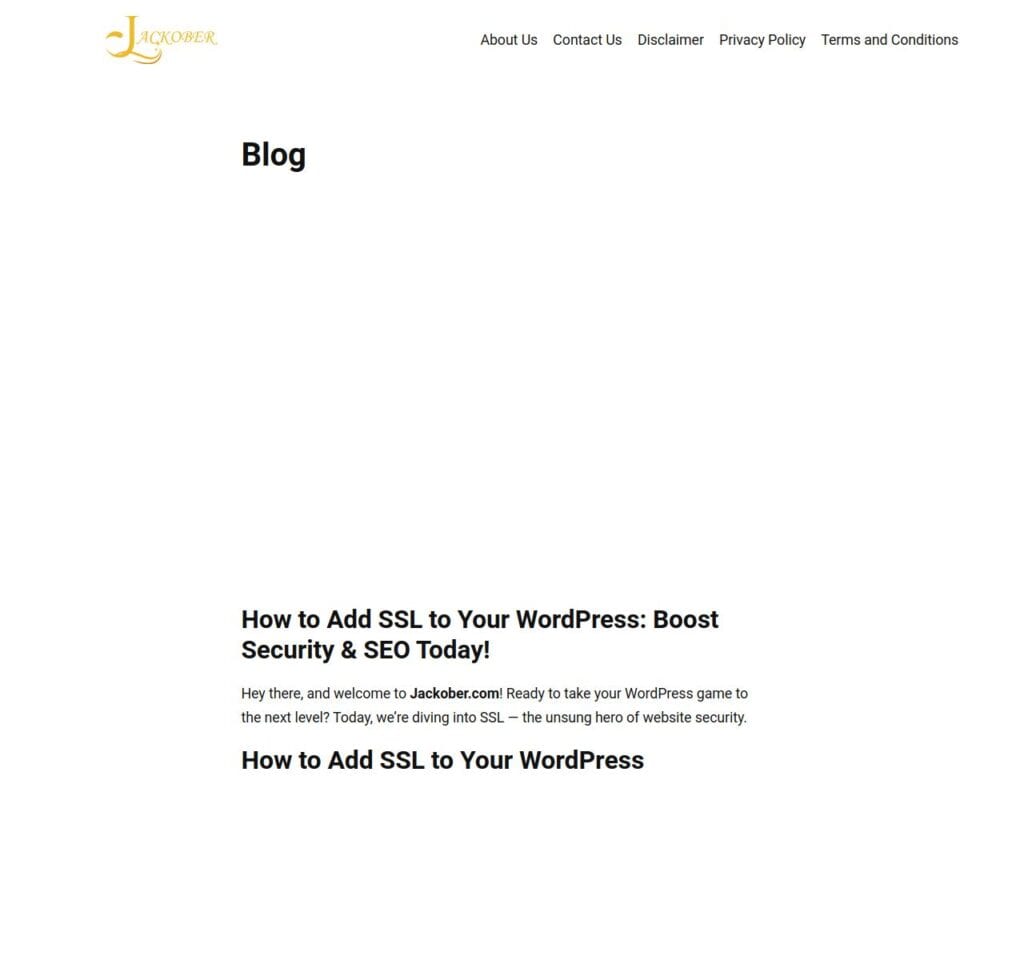
As WordPress’s newest default theme (projected for 2025), Twenty Twenty-Five will likely showcase the latest WordPress capabilities while maintaining accessibility and performance standards. At Jackober, we’ve already implemented this theme for several client projects and our own platform due to its exceptional balance of simplicity and functionality.
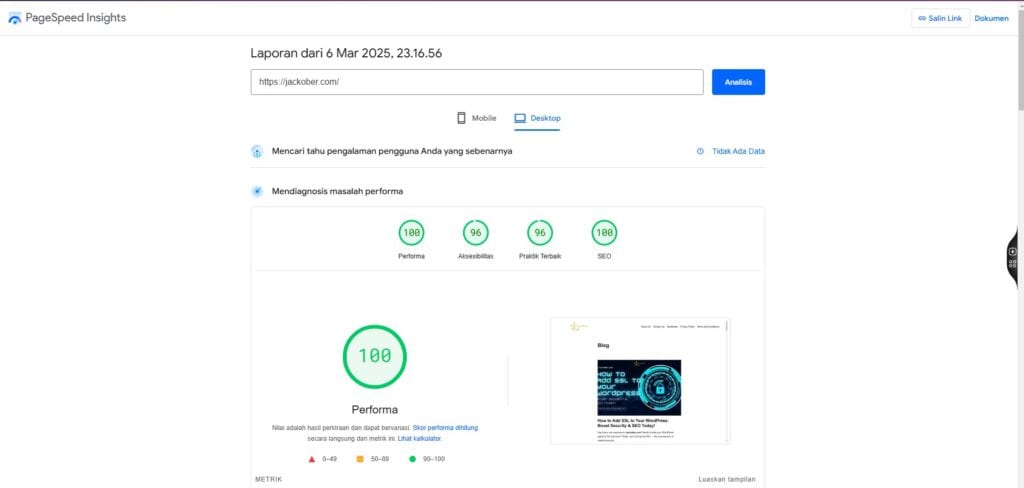
We chose Twenty Twenty-Five for jackober.com after extensive testing because it represents the cutting edge of WordPress development while maintaining exceptional performance metrics. Our site consistently achieves 95+ PageSpeed scores on both mobile and desktop, which we attribute largely to the theme’s efficient code structure and optimized asset loading.
Key Features:
- Full block theme architecture
- Global style variations
- Pattern library integration
- Accessibility-first design
- Multilingual support
- Exceptional Core Web Vitals performance
- Simplified content creation workflow
Pagespeed.web.dev Insights Result:
Why It’s The Best:
Twenty Twenty-Five stands out from other free themes by being built from the ground up to leverage WordPress’s latest capabilities. As the official WordPress default theme, it receives priority updates and security patches, ensuring long-term compatibility and stability. The theme’s focus on performance optimization means it delivers exceptionally fast loading times without sacrificing visual appeal.
From our perspective as WordPress developers, Twenty Twenty-Five’s clean code structure makes customization straightforward, while its built-in block patterns allow clients to create sophisticated layouts without touching code. This balance of developer-friendliness and user accessibility makes it our top recommendation for blogs in 2025.
Best For: Bloggers seeking the most current WordPress features with future-proof design
6. Neve
Neve continues to excel with its lightweight architecture and focus on speed. Its minimal approach and extensive starter templates make it ideal for getting a professional blog running quickly.
Key Features:
- Ultra-lightweight design
- AMP-ready structure
- Extensive starter site library
- Global color and typography systems
- Header/footer builder
Best For: Speed-focused blogs with minimal customization needs
7. OceanWP
OceanWP remains popular due to its extensive feature set in the free version. Its compatibility with major page builders and WooCommerce integration makes it versatile for growing blogs.
Key Features:
- Deep WooCommerce integration
- Multiple header styles
- Page builder compatibility
- Sticky header options
- Translation ready
Best For: Blogs planning to integrate e-commerce functionality
8. Hestia
Hestia’s material design influence creates modern, clean blogs. Its continued development focuses on improving the one-page experience while maintaining compatibility with standard blog layouts.
Key Features:
- Material design principles
- One-page layout options
- WooCommerce compatibility
- Translation ready
- Live customizer with instant preview
Best For: Blogs with a modern, material design aesthetic
9. Writee
Specifically designed for writers and bloggers, Writee focuses on typography and content presentation. Its minimalist approach emphasizes readability while providing necessary customization options.
Key Features:
- Typography-focused design
- Multiple blog layout options
- Featured content slider
- Social media integration
- Reading time estimates
Best For: Text-heavy blogs and professional writers
10. Eksell
Eksell has emerged as a premium-quality free theme with exceptional typography and whitespace management. Its block patterns provide sophisticated layout options without requiring design skills.
Key Features:
- Editorial design influence
- Custom block patterns
- Global style variations
- Author highlighting features
- Reading progress indicator
Best For: Literary blogs and long-form content
11. Pendant
Pendant combines minimalism with functionality, offering clean layouts that adapt to different content types. Its block pattern library has expanded to include sophisticated content presentations.
Key Features:
- Minimal design philosophy
- Extensive block patterns
- Global style variations
- Reading time indicators
- Newsletter integration
Best For: Minimalist blogs focusing on readability
12. Inspiro Lite
For visual-focused blogs, Inspiro Lite continues to excel with its fullscreen media presentations and gallery capabilities. Its improved performance makes it suitable for image-heavy blogs without sacrificing speed.
Key Features:
- Fullscreen media showcase
- Video header support
- Portfolio layouts
- Gallery block enhancements
- Lazy loading implementation
Best For: Photography, portfolio, and visual-focused blogs
13. Yuki
Yuki has gained popularity for its extensive customization options within a free theme. Its global style system and header builder rival premium offerings.
Key Features:
- Advanced header builder
- Global style system
- Custom block patterns
- Performance optimization
- WooCommerce compatibility
Best For: Bloggers seeking extensive customization without coding
14. Frost
Frost’s block-based architecture makes it future-proof for WordPress development. Its pattern library continues to expand, offering sophisticated layout options without additional plugins.
Key Features:
- Full site editing compatibility
- Extensive pattern library
- Global style variations
- Performance-focused design
- Minimal aesthetic
Best For: Forward-thinking bloggers embracing block-based editing
15. Spectra One
Built by the Spectra (formerly Astra) team, this block-based theme offers exceptional performance with modern design capabilities. Its integration with the Spectra plugin provides enhanced functionality.
Key Features:
- Full site editing architecture
- Performance-optimized code
- Extensive pattern library
- Global style variations
- Container blocks for layout control
Best For: Bloggers wanting a modern block theme with exceptional performance
How to Install a Free WordPress Theme
Installing a free WordPress theme is straightforward:
- Log in to your WordPress dashboard
- Navigate to Appearance > Themes
- Click “Add New”
- Either search for a specific theme by name or browse featured/popular options
- Hover over your chosen theme and click “Install”
- After installation completes, click “Activate”
For themes not in the official repository, you can upload the theme ZIP file:
- Download the theme ZIP file from the provider
- In your WordPress dashboard, go to Appearance > Themes
- Click “Add New” then “Upload Theme”
- Choose the ZIP file and click “Install Now”
- After installation, click “Activate”
Remember to add SSL to WordPress before customizing your theme for enhanced security and SEO benefits.
Optimizing Your Free Theme for Maximum Performance
Even the best free themes can benefit from optimization. Here are key strategies to enhance your theme’s performance:
Implement Caching
Install a caching plugin to generate static HTML files, reducing server processing time and improving page load speeds. Popular options include WP Rocket, W3 Total Cache, and LiteSpeed Cache.
Optimize Images
Large images are often the biggest performance bottleneck. Use image optimization plugins like Smush or ShortPixel to compress images without quality loss. Consider implementing lazy loading to defer off-screen images.
Minify CSS and JavaScript
Reduce file sizes by removing unnecessary characters from your CSS and JavaScript files. Many caching plugins include this functionality, or you can use dedicated plugins like Autoptimize.
Limit Plugin Usage
Every plugin adds code to your site, potentially slowing it down. Audit your plugins regularly and remove any that aren’t essential. Look for lightweight alternatives to heavy plugins where possible.
Use a Content Delivery Network (CDN)
CDNs distribute your static content across global servers, delivering files from locations closer to your visitors. This reduces latency and improves load times, especially for international audiences.
Regular Database Optimization
Your WordPress database accumulates unnecessary data over time. Use plugins like WP-Optimize to clean post revisions, spam comments, and transients regularly.
Security Considerations for Free Themes
While free themes from reputable sources are generally safe, security should always be a priority. Follow these best practices:
Only Use Themes from Trusted Sources
Stick to themes from the official WordPress repository, reputable theme shops, or well-known marketplaces. Avoid downloading themes from random websites or torrents, as these may contain malicious code.
Keep Your Theme Updated
Theme developers regularly release updates to fix security vulnerabilities and compatibility issues. Always update to the latest version promptly.
Implement Security Plugins
Enhance your theme’s security with dedicated security plugins like Wordfence, Sucuri, or iThemes Security. These tools provide features like malware scanning, firewall protection, and login security.
Regular Backups
Maintain regular backups of your entire WordPress site, including themes, plugins, and database. This ensures you can quickly restore your site if security issues arise.
Use Strong Authentication
Implement strong passwords and two-factor authentication for all admin accounts. Consider limiting login attempts to prevent brute force attacks.
For more comprehensive security advice, check out my detailed guide on Cyber Security for WordPress sites.
When to Upgrade to a Premium Theme
While free themes can serve many bloggers effectively, certain situations may warrant upgrading to a premium option:
Advanced Customization Needs
If you find yourself frequently hitting limitations with your free theme’s customization options, a premium theme with more extensive controls may be worth the investment.
Growing Traffic and Audience
As your blog grows, you may need more sophisticated features to manage content, engage users, and optimize for conversions. Premium themes often include advanced features for growing sites.
Specialized Functionality
If your blog requires specific functionality like membership systems, advanced e-commerce, or custom post types, a premium theme designed for your niche may be more efficient than adding multiple plugins.
Professional Support Requirements
When your blog becomes a significant part of your business, having access to dedicated support can be invaluable for quickly resolving issues and implementing customizations.
Brand Differentiation
To create a truly unique brand identity, you may eventually need the additional design options and customization capabilities that premium themes provide.
Final Thoughts: Choosing the Right Free WordPress Theme
Selecting the perfect free WordPress theme for your blog in 2025 requires balancing aesthetics, functionality, performance, and future growth potential. The themes listed in this guide represent the best options available, but your specific needs should guide your final decision.
Remember that even the most beautiful theme won’t compensate for poor content. Focus first on creating valuable content for your audience, then choose a theme that enhances that content rather than overshadowing it.
For more detailed guidance on WordPress theme selection and optimization, check out our Expert Guides section where we cover advanced topics for WordPress professionals.
Whether you’re just starting your blogging journey or looking to refresh an existing site, the right free WordPress theme can provide a solid foundation for your online presence without breaking your budget.
1 thought on “Free WordPress Themes for Blog in 2025”