
As a WordPress developer at Jackober, I’ve encountered and resolved the dreaded “White Screen of Death” (WSOD) on countless client websites. This frustrating issue—where your WordPress site suddenly displays a blank white page instead of your content—can strike without warning and cause significant stress, especially if you’re running a business website or e-commerce store.
The good news is that with a systematic troubleshooting approach, you can identify and fix the underlying cause of the WordPress White Screen of Death. In this expert guide, I’ll walk you through the common causes and provide step-by-step solutions to get your site back online quickly.
Understanding the WordPress White Screen of Death
Before diving into solutions, let’s understand what the WSOD actually is and why it occurs:
What Exactly Is the White Screen of Death?
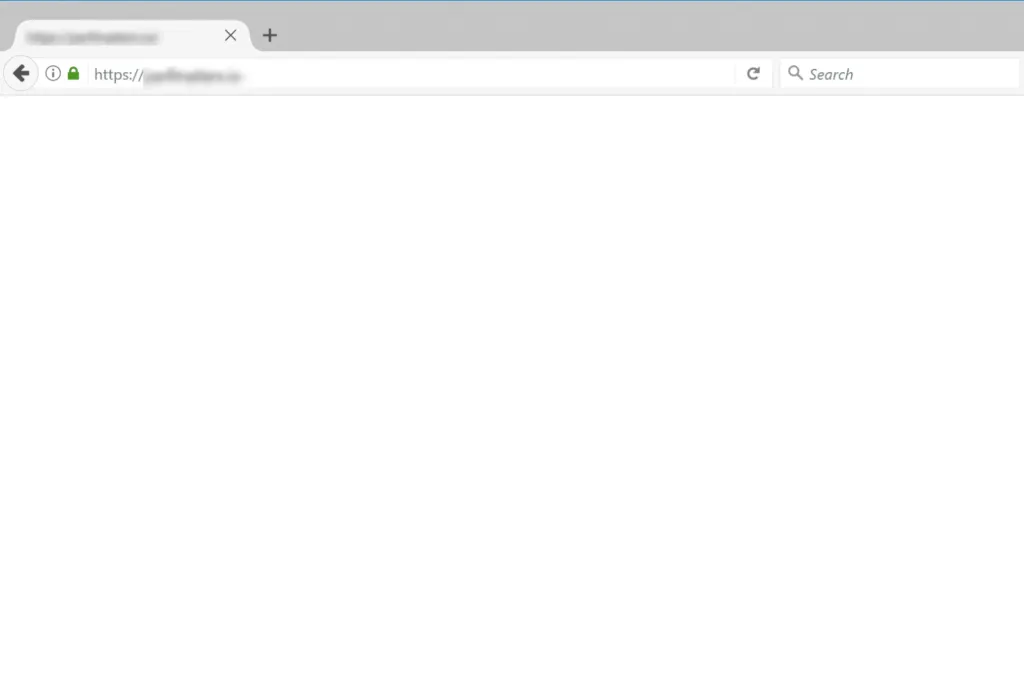
The WordPress White Screen of Death is a situation where your WordPress site displays a completely blank page—no error messages, no content, just an empty white screen. Sometimes it affects your entire site, while other times it might only impact specific pages, the admin area, or certain functionality.
This issue is particularly frustrating because it provides no obvious error message to help you identify the problem. It’s essentially WordPress’s way of failing silently.
Common Variations of the WSOD
The white screen can manifest in several ways:
- Complete White Screen: The entire site shows nothing but a blank page
- Admin-Only WSOD: Front-end works, but the dashboard shows a white screen
- Partial White Screen: Only certain pages or functionality are affected
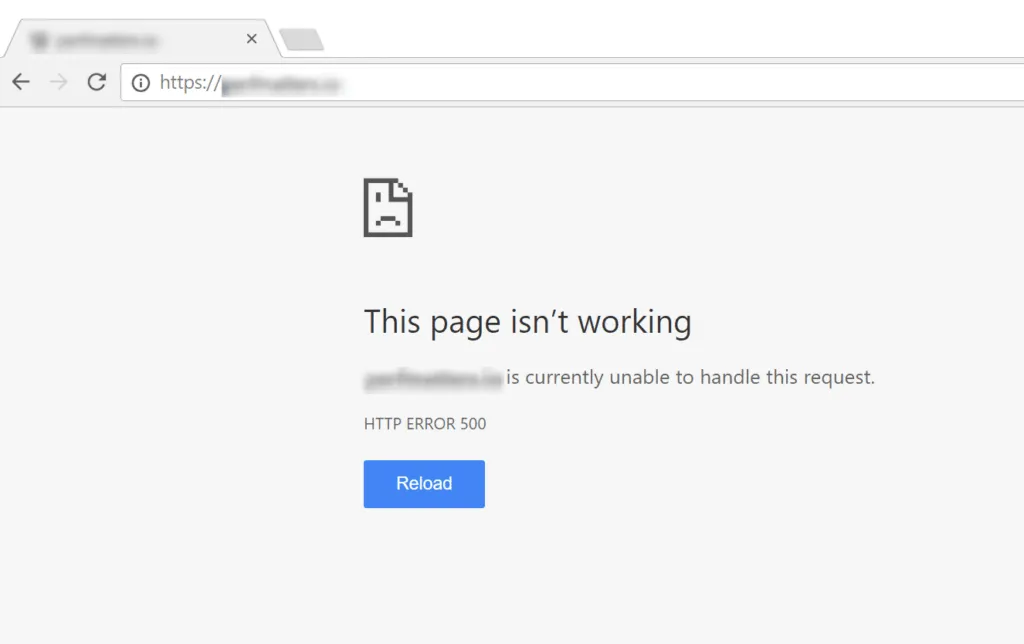
- White Screen with Error Message: Occasionally, you might see a PHP error instead of a completely blank page
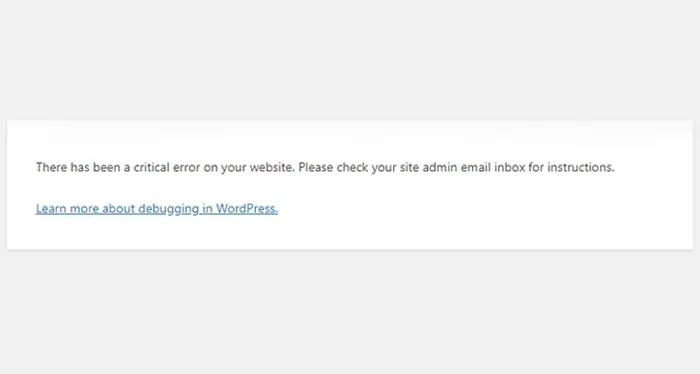
- Fatal Error Screen: A variation showing a “Fatal error” message with some details about the issue
Why WordPress Displays a White Screen
At its core, the WSOD occurs when PHP encounters a critical error that prevents the page from rendering properly. This happens because:
- Error Display is Disabled: By default, WordPress hides PHP errors from visitors for security reasons
- Script Execution Halts: When PHP encounters a fatal error, it stops executing the script
- Output Buffering: Content that was going to be displayed gets discarded when the script fails
The WSOD is essentially a failed page load where the server started processing the request but couldn’t complete it due to a critical error.
Common Causes of the WordPress White Screen of Death
Based on my experience troubleshooting hundreds of WordPress sites, here are the most frequent culprits:
1. Plugin Compatibility Issues
Plugin conflicts or bugs are the most common cause of the WSOD. This typically happens when:
- A plugin is incompatible with your WordPress version
- Two plugins conflict with each other
- A plugin update introduces a bug
- A plugin exceeds available PHP memory
2. Theme Problems
Theme-related issues are another frequent cause:
- Broken code in theme files
- Theme incompatibility with WordPress version
- Conflicts between theme and plugins
- Custom code errors in child themes created with How to Create a Child Theme in WordPress
3. PHP Memory Limits
WordPress can exhaust the allocated PHP memory, especially on:
- Shared hosting with restrictive limits
- Sites with many plugins or complex functionality
- Resource-intensive operations like media uploads
- Heavy admin operations like plugin updates
4. PHP Version Compatibility
WordPress and its extensions require specific PHP versions:
- Running too old a PHP version
- Updating to a newer PHP version without checking compatibility
- PHP extensions or functions missing on the server
5. Corrupted Core Files
Though less common, WordPress core files can become corrupted:
- Failed or interrupted updates
- Server issues during file operations
- Malware or unauthorized modifications
6. Database Connection Issues
Problems connecting to the MySQL database can cause white screens:
- Incorrect database credentials
- Database server downtime
- Corrupted database tables
- Excessive database queries
7. Server Configuration Problems
Sometimes the issue lies with the hosting environment:
- Server resource limitations
- Misconfigured PHP settings
- Web server (Apache/Nginx) configuration issues
- Temporary server outages
Step-by-Step Troubleshooting Guide
Now that we understand the potential causes, let’s walk through a systematic approach to fixing the WordPress White Screen of Death:
Step 1: Enable WordPress Debug Mode
The first step is to make error messages visible so you can identify the specific problem:
- Connect to your website via FTP or your hosting file manager
- Locate and edit the
wp-config.phpfile in your WordPress root directory - Find the line that says
define('WP_DEBUG', false);or add it near the end of the file (before/* That's all, stop editing! */) if it doesn’t exist - Change it to:
// Enable debugging
define('WP_DEBUG', true);
define('WP_DEBUG_LOG', true);
define('WP_DEBUG_DISPLAY', true);
- Save the file and reload your website
Now, instead of a blank white screen, you should see error messages that point to the specific issue. If you still see a white screen, check for a debug.log file in your wp-content directory, which may contain the error messages.
Step 2: Deactivate All Plugins
If you’re seeing a plugin-related error or still getting a white screen, the next step is to deactivate all plugins:
Method A: Via FTP (When Dashboard is Inaccessible)
- Connect to your site using FTP or your hosting file manager
- Navigate to the
wp-contentdirectory - Rename the
pluginsfolder toplugins_disabled(this deactivates all plugins) - Refresh your site to see if the white screen is gone
If your site works now, the issue is with one of your plugins. To identify the problematic plugin:
- Rename
plugins_disabledback toplugins - Inside the plugins directory, create a new empty folder called
plugins_test - Move plugin folders one by one from
pluginstoplugins_testand check your site after each move - When the white screen returns, you’ve found the problematic plugin
Method B: Via Database (Alternative Approach)
If you can’t access your site at all, you can deactivate plugins through the database:
- Access phpMyAdmin through your hosting control panel
- Select your WordPress database
- Find the
wp_optionstable (the prefix might be different if you customized it) - Look for the
active_pluginsoption - Edit this record and replace the value with
a:0:{} - Save changes
This deactivates all plugins. You can then reactivate them one by one from the WordPress dashboard once your site is accessible again.
Step 3: Switch to a Default Theme
If deactivating plugins didn’t resolve the issue, the problem might be with your theme:
Via FTP or File Manager
- Connect to your site via FTP or file manager
- Navigate to
wp-content/themes/ - Rename your current theme’s folder (e.g., from
mythemetomytheme_disabled)
WordPress will automatically fall back to a default theme like Twenty Twenty-Three. If your site starts working, you’ve confirmed the issue is with your theme.
Via Database
Alternatively, you can change the theme through the database:
- Access phpMyAdmin
- Select your WordPress database
- Find the
wp_optionstable - Look for
templateandstylesheetoptions - Change both values to a default theme like
twentytwentythree - Save changes
Step 4: Increase PHP Memory Limit
If you’re seeing memory-related errors, increase the PHP memory allocation:
- Edit your
wp-config.phpfile - Add or modify this line before the “happy blogging” comment:
define('WP_MEMORY_LIMIT', '256M');
- Save the file and reload your site
If this resolves the issue, you may need to optimize your site for better performance using techniques from our WordPress Page Speed Optimization guide, or consider upgrading your hosting plan.
Step 5: Check for Corrupted Core Files
If previous steps didn’t help, WordPress core files might be corrupted:
- Download a fresh copy of WordPress from WordPress.org
- Extract the files on your computer
- Delete the
wp-contentfolder andwp-config.phpfile from the extracted files (to preserve your content and settings) - Upload the remaining files to your server, overwriting the existing files
This replaces all core WordPress files while preserving your themes, plugins, uploads, and settings.
Step 6: Verify Database Connection
Check if database connection issues are causing the problem:
- Open your
wp-config.phpfile - Verify these settings are correct:
define('DB_NAME', 'your_database_name');
define('DB_USER', 'your_database_username');
define('DB_PASSWORD', 'your_database_password');
define('DB_HOST', 'localhost'); // or your specific host
- Try changing
DB_HOSTfromlocalhostto127.0.0.1or vice versa - If you’re unsure about credentials, check with your hosting provider
Step 7: Check Server Error Logs
Server logs can provide valuable information not visible on the screen:
- Access your server’s error logs through cPanel, Plesk, or your hosting dashboard
- Look for PHP errors around the time your site went down
- Check the WordPress debug log at
wp-content/debug.logif you enabled it earlier - Review
.htaccessfor potential server configuration issues
Step 8: Contact Your Hosting Provider
If you’ve tried all the above steps without success, the issue might be server-related:
- Reach out to your hosting support with the troubleshooting steps you’ve already taken
- Ask them to check server logs and PHP error logs
- Inquire about recent server changes or maintenance
- Consider if you might need to upgrade to a more robust hosting solution like Flywheel WordPress Hosting
Advanced Troubleshooting Techniques
For more complex situations, try these advanced approaches:
Identifying Plugin Conflicts
When multiple plugins conflict with each other:
- Reactivate the “suspect” plugin
- Activate other plugins one by one
- After each activation, check if the white screen returns
- When it does, you’ve found the conflicting plugin pair
Database Table Repair
Corrupted database tables can cause white screens:
- Add this line to your
wp-config.phpfile:
define('WP_ALLOW_REPAIR', true);
- Visit
https://yoursite.com/wp-admin/maint/repair.php - Run the “Repair Database” option
- Once complete, remove the line you added to maintain security
Resolving .htaccess Issues
Problematic .htaccess rules can cause server errors:
- Connect via FTP or file manager
- Locate the
.htaccessfile in your WordPress root directory - Rename it to
.htaccess_old - Try accessing your site again
- If it works, create a new
.htaccessfile with default WordPress rules:
# BEGIN WordPress
<IfModule mod_rewrite.c>
RewriteEngine On
RewriteBase /
RewriteRule ^index\.php$ - [L]
RewriteCond %{REQUEST_FILENAME} !-f
RewriteCond %{REQUEST_FILENAME} !-d
RewriteRule . /index.php [L]
</IfModule>
# END WordPress
Checking for Malware
Security issues can sometimes cause white screens:
- Scan your site with a security plugin or online scanner
- Look for unfamiliar or recently modified files
- Check for unauthorized admin users
- Review the
functions.phpfile in your theme for suspicious code
For comprehensive security measures, review our WordPress Security Best Practices guide.
Specific Solutions for Common Error Messages
Once you enable debugging, you might see specific error messages. Here’s how to address the most common ones:
PHP Fatal Error: Allowed Memory Size Exhausted
This indicates PHP ran out of allocated memory:
- Increase memory limit in
wp-config.phpas described earlier - If that doesn’t work, add this to your
.htaccessfile:
php_value memory_limit 256M
- Contact your host if you can’t increase beyond a certain limit
PHP Fatal Error: Call to Undefined Function
This occurs when PHP tries to use a function that doesn’t exist:
- Check if the error mentions a specific plugin or theme
- Verify you’re running a compatible PHP version
- Ensure required PHP extensions are enabled on your server
PHP Parse/Syntax Error
Indicates a syntax mistake in PHP code:
- Note the file mentioned in the error message
- Connect via FTP and edit that file
- Look for obvious syntax errors like missing semicolons, unmatched brackets, or quotes
- If it’s a plugin or theme file, replace it with a fresh copy or contact the developer
Error Establishing Database Connection
This error appears when WordPress can’t connect to the database:
- Verify database credentials in
wp-config.php - Check if your database server is running
- Ensure your database user has sufficient permissions
- Try resetting your database password
WSoD in WordPress Admin Only
When only the admin area shows a white screen:
- Disable plugins specifically designed for the admin area
- Check for issues with the admin theme
- Increase memory limit as admin operations are often more resource-intensive
- Look for conflicts with WordPress User Role Editor Plugin or similar admin-focused plugins
Preventing the White Screen of Death
Once you’ve fixed the current issue, take these steps to prevent future occurrences:
Regular Maintenance Practices
Implement these preventive measures:
- Keep Everything Updated: Regularly update WordPress core, themes, and plugins
- Implement a Staging Environment: Test updates on a staging site using Best WordPress Staging Plugins before applying to your live site
- Regular Backups: Create frequent backups with How to Backup WordPress Site techniques
- Plugin Audit: Regularly review and remove unnecessary plugins
- Database Optimization: Implement WordPress Content Revision Control to keep your database lean
Performance Optimization
A well-optimized site is less likely to encounter resource-related issues:
- Caching Implementation: Use Best WordPress Cache Plugins to reduce server load
- Image Optimization: Follow How to Optimize Images for WordPress to reduce resource usage
- Limit Active Plugins: Only keep essential plugins active
- Choose Quality Themes: Use well-coded, lightweight themes
- Regular Database Cleanup: Remove post revisions, spam comments, and transients
Development Best Practices
If you’re customizing your site, follow these guidelines:
- Use Child Themes: Make customizations using How to Create a Child Theme in WordPress rather than editing parent themes directly
- Test Custom Code: Always test custom functions thoroughly before implementing
- Incremental Changes: Make one change at a time and test between changes
- Maintain Development Copy: Keep a local or staging version for testing
- Use Version Control: Track changes to your custom code
Hosting Considerations
Your hosting environment plays a crucial role in site stability:
- Sufficient Resources: Ensure your hosting plan provides adequate PHP memory and processing power
- Compatible PHP Version: Use a PHP version compatible with your WordPress version
- Quality Provider: Consider managed WordPress hosting like Flywheel WordPress Hosting for better reliability
- Server Monitoring: Implement monitoring to catch issues early
- Support Accessibility: Choose hosting with responsive technical support
Case Studies: Real-World White Screen of Death Solutions
Let’s examine some actual WSOD scenarios I’ve encountered and how they were resolved:
Case Study 1: E-Commerce Site Post-Update Crash
Scenario: An online store using How to create an online store with WordPress showed a white screen immediately after a WooCommerce update.
Diagnosis: Enabling debug mode revealed a fatal error related to a custom function in the theme’s functions.php file that was incompatible with the new WooCommerce version.
Solution:
- Accessed the site via FTP
- Located the theme’s
functions.phpfile - Identified and commented out the problematic custom function
- Worked with the theme developer to update the custom code
- Implemented a staging site workflow to prevent future issues
Prevention Measures: Established a proper testing protocol for all updates and created a custom update checklist for the client.
Case Study 2: Membership Site Resource Exhaustion
Scenario: A membership site built with How to Create a Membership Site with WordPress displayed the WSOD during peak user activity.
Diagnosis: Server logs showed PHP memory exhaustion errors occurring when many users accessed resource-intensive member content simultaneously.
Solution:
- Temporarily increased PHP memory limit as an immediate fix
- Implemented an object caching solution
- Optimized database queries in the membership plugin
- Upgraded to a more robust hosting plan
- Added a CDN to distribute content delivery load
Prevention Measures: Set up resource monitoring and scheduled regular performance audits to catch issues before they affected users.
Case Study 3: Multilingual Site Plugin Conflict
Scenario: A site using Best WordPress Translation Plugins experienced a white screen only on translated pages.
Diagnosis: Debug logs revealed conflicts between the translation plugin and a caching plugin that wasn’t properly handling translated content variations.
Solution:
- Temporarily disabled the caching plugin
- Configured the caching plugin to exclude translation-specific URL parameters
- Updated both plugins to their latest versions
- Added specific cache exclusion rules
- Implemented separate caching for each language version
Prevention Measures: Created a specialized testing protocol for multilingual functionality and established compatibility guidelines for future plugin additions.
Troubleshooting Tools and Resources
These tools can help diagnose and fix the White Screen of Death:
Essential Diagnostic Tools
- Health Check & Troubleshooting Plugin: Official WordPress plugin for identifying issues
- Query Monitor: Developer tool for analyzing database queries, hooks, and more
- Debug Bar: Adds a debugging menu to the admin bar with detailed information
- Theme Check: Validates theme code against WordPress standards
- P3 (Plugin Performance Profiler): Analyzes plugin performance impact
Useful Online Resources
- WordPress Support Forums: Community help for specific error messages
- WordPress Stack Exchange: Technical Q&A for WordPress development issues
- WordPress Codex: Official documentation on debugging
- Plugin Developer Sites: Documentation for specific plugin issues
- Web Hosting Support: Server-specific troubleshooting assistance
Emergency Support Options
When you need immediate help:
- WordPress Support Services: Professional assistance for urgent issues
- Hosting Provider Emergency Support: Many managed WordPress hosts offer priority support
- Developer Networks: Finding a WordPress Expert for Hire for immediate assistance
- WordPress Recovery Services: Specialized in fixing broken WordPress sites
- Community Support Groups: Facebook and LinkedIn groups for WordPress professionals
Special Considerations for Different WordPress Configurations
Different WordPress setups may require specific approaches:
Multisite Installations
For WordPress Multisite Setup Guide configurations:
- Network vs. Site Issues: Determine if the problem affects the entire network or specific sites
- Network Plugin Conflicts: Network-activated plugins can cause network-wide issues
- Database Prefix Complexity: Multisite uses different table prefixes for each site
- Domain Mapping Complications: Issues can occur with mapped domains
- Super Admin Troubleshooting: Some issues require network admin access
WordPress with Page Builders
Sites using Best WordPress Page Builders have unique considerations:
- Builder-Specific Errors: Each page builder has unique potential failure points
- Cache Compatibility: Page builders may require specific cache configurations
- Update Sensitivity: Page builders often have complex dependencies
- Content Recovery: Special techniques for recovering builder content
- Template Rebuilding: Approaches for reconstructing page templates if necessary
E-commerce Sites
Online stores have critical recovery needs:
- Order Processing Continuity: Ensuring orders aren’t lost during downtime
- Payment Gateway Issues: Problems with Payment Gateways for WordPress Websites can cause white screens
- Product Database Integrity: Ensuring product data remains intact
- Customer Account Access: Maintaining user authentication systems
- Checkout Process Recovery: Specialized testing for transaction flows
Membership and Learning Sites
For sites with restricted content:
- Authentication System Issues: Login and access control failures
- Content Protection Conflicts: Problems with protection mechanisms
- User Role Complications: Issues with WordPress User Role Editor Plugin or similar
- Payment Integration Failures: Subscription processing errors
- Member Area Recovery: Prioritizing member-accessible areas
Conclusion: Staying Calm and Methodical
The WordPress White Screen of Death can be alarming, especially if you’re managing a business website. However, with the systematic troubleshooting approach outlined in this guide, you can identify and resolve the underlying issue efficiently.
Remember that prevention is always better than cure. Implementing regular maintenance, using a staging environment for testing, keeping comprehensive backups, and following WordPress best practices will significantly reduce your risk of encountering the WSOD in the first place.
If you do face this issue and find yourself unable to resolve it using the steps in this guide, don’t hesitate to seek professional help. At Jackober, we specialize in WordPress troubleshooting and emergency recovery, helping businesses get back online quickly when critical issues arise.
For assistance with WordPress troubleshooting or to implement preventive measures against the White Screen of Death, contact us to work with a WordPress Expert for Hire who can provide tailored solutions for your specific WordPress configuration.
FAQ: WordPress White Screen of Death
Q: Can the White Screen of Death cause permanent data loss?
A: In most cases, no. The WSOD is typically a display issue rather than a data corruption problem. Your database content, media files, and WordPress settings usually remain intact even when your site displays a white screen. However, if the WSOD occurs during a critical operation like a failed update, plugin installation, or theme change, there is a small risk of partial data corruption. This is why implementing regular backups with How to Backup WordPress Site is crucial. With proper backups in place, you can always restore your site to a working state even in worst-case scenarios. For critical websites, consider real-time backup solutions or version-controlled development workflows to minimize any potential data loss.
Q: How can I access my WordPress admin when facing the WSOD?
A: If your entire site shows a white screen, including the admin area, you’ll need to use alternative access methods: 1) FTP or hosting file manager to modify files directly, 2) phpMyAdmin or database management tools to edit database values, or 3) WordPress CLI if you have command-line access. If only certain parts of your site show the WSOD, try accessing the admin via a direct URL: https://yoursite.com/wp-admin/. If that doesn’t work, you can sometimes access specific admin pages directly, like https://yoursite.com/wp-admin/plugins.php to manage plugins. For persistent admin access issues, temporarily enabling the default theme and disabling all plugins via database or FTP often restores admin access.
Q: How long should fixing the White Screen of Death take?
A: Resolution time varies greatly depending on the cause and your familiarity with WordPress. Simple plugin conflicts can often be resolved in 5-15 minutes by identifying and removing the problematic plugin. Memory limit issues typically take 10-30 minutes to diagnose and increase limits. More complex problems involving theme code, core file corruption, or server issues might require 1-3 hours of methodical troubleshooting. In rare cases involving database corruption, malware, or deep compatibility issues, resolution might take several hours or require professional assistance. Following the systematic approach in this guide generally allows you to identify the cause within 30 minutes, even if implementing the solution takes longer.
Q: Is the White Screen of Death the same on all browsers and devices?
A: Not necessarily. Sometimes the WSOD manifests differently across browsers and devices, which can provide valuable diagnostic clues. For example: 1) If the white screen appears only in one browser but not others, it might be a browser cache or JavaScript issue rather than a server-side PHP problem, 2) If mobile devices show the white screen but desktops don’t (or vice versa), it could indicate a responsive design conflict or mobile-specific functionality issue, 3) Some browsers might show a blank page while others display a partial error message. Always test your site in multiple browsers during troubleshooting, and clear browser caches to ensure you’re seeing the current server response. These variations can significantly narrow down the potential causes.
Q: Can my hosting provider cause the White Screen of Death?
A: Yes, hosting-related issues can definitely cause the WSOD. Common hosting-related causes include: 1) PHP version mismatches between what your site needs and what the server provides, 2) Insufficient server resources like memory limits, execution time, or CPU allocation, 3) Server configuration changes implemented by the host without notice, 4) Temporary server outages or maintenance, and 5) Security measures or firewalls incorrectly blocking WordPress functionality. Quality WordPress-focused hosting like Flywheel WordPress Hosting typically experiences fewer of these issues due to WordPress-optimized environments. If you’ve ruled out plugin and theme issues, contact your hosting provider to check for server-side problems, especially if the issue occurred suddenly without any changes on your part.
Q: Should I use a plugin to fix the White Screen of Death?
A: Generally, no. Since plugins themselves are often the cause of the WSOD, trying to install another plugin to fix the issue can compound the problem. Additionally, if you’re experiencing a white screen, you likely can’t access the admin area to install plugins anyway. The best approach is to use the manual troubleshooting methods outlined in this guide. That said, once you’ve resolved the immediate issue, preventive plugins like PHP error loggers, health monitoring tools, and automatic backup solutions can help prevent future occurrences or minimize their impact. For ongoing maintenance, consider regularly using the built-in WordPress Site Health tool (under Tools → Site Health) to identify and address potential issues before they cause white screens.
Q: How can I explain the White Screen of Death to non-technical clients?
A: When communicating with clients about the WSOD, use these simplified explanations: 1) “The white screen is like a computer freezing—WordPress encountered an error it couldn’t recover from,” 2) “It’s similar to when a phone app crashes, but WordPress doesn’t have a clear error message to show,” 3) “Think of it as a circuit breaker tripping—something overloaded the system, causing it to shut down rather than risk damage,” 4) “It’s WordPress’s equivalent of a blue screen on Windows—something critical isn’t working properly,” and 5) “It’s like a car engine stalling—we need to diagnose which component is causing the problem.” Reassure clients that in most cases, their content is safe and the issue is fixable. Provide a clear timeframe for resolution and offer to implement preventive measures like regular backups and maintenance plans to avoid future occurrences.
Q: How do I fix the White Screen of Death on a WordPress site I just migrated?
A: Migration-related white screens require specific troubleshooting: 1) Check for URL references in the database that still point to the old site—you may need to run a search and replace on the database, 2) Verify that the wp-config.php file has been properly updated with the new database credentials, 3) Ensure the database prefix matches what’s in the wp-config.php file, 4) Check that all files transferred completely, especially core WordPress files, 5) Verify file permissions are set correctly after migration (typically 755 for directories and 644 for files), and 6) Confirm that your new hosting environment meets WordPress requirements, particularly PHP version and extensions. For detailed migration guidance, refer to our How to Migrate WordPress Site to New Host guide, which covers these potential issues and their solutions.